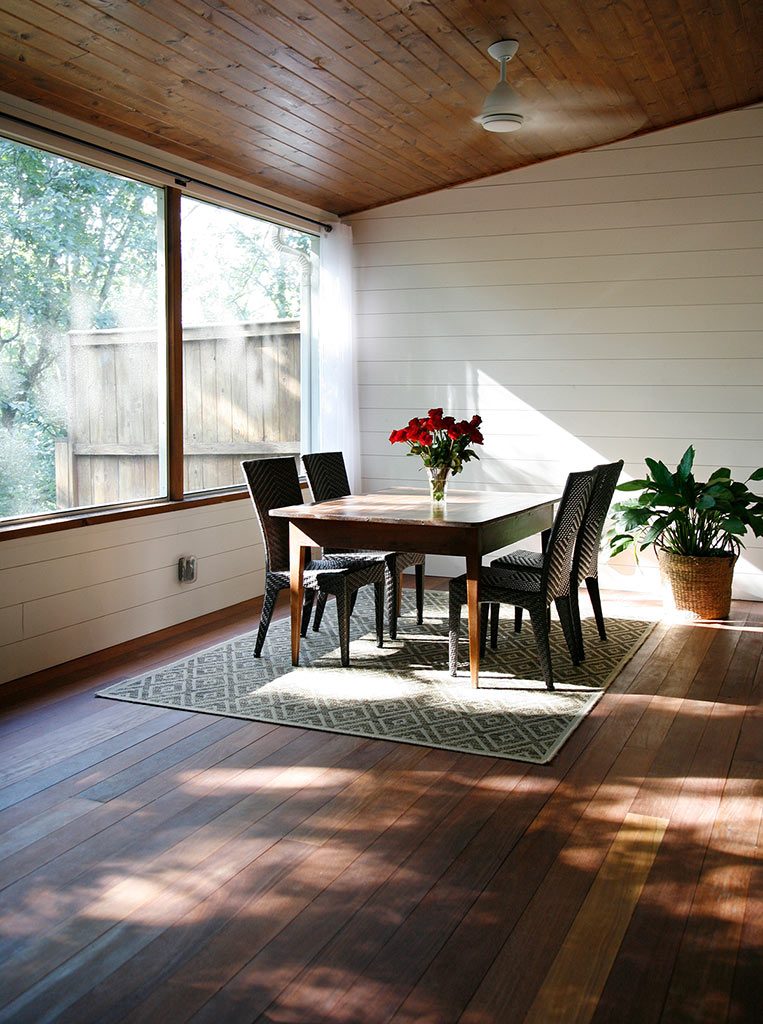
Imagine the enjoyment you could have with a year-round
outdoor living space! During the cooler days of fall, you can watch football
games sitting around a fire. Make the most of your time relaxing outdoors by
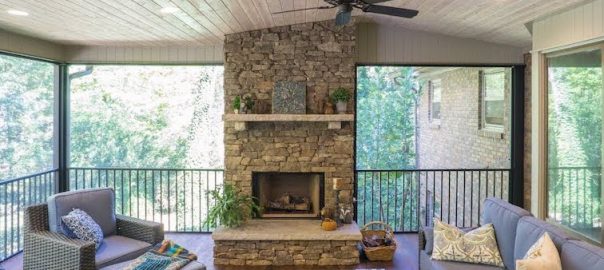
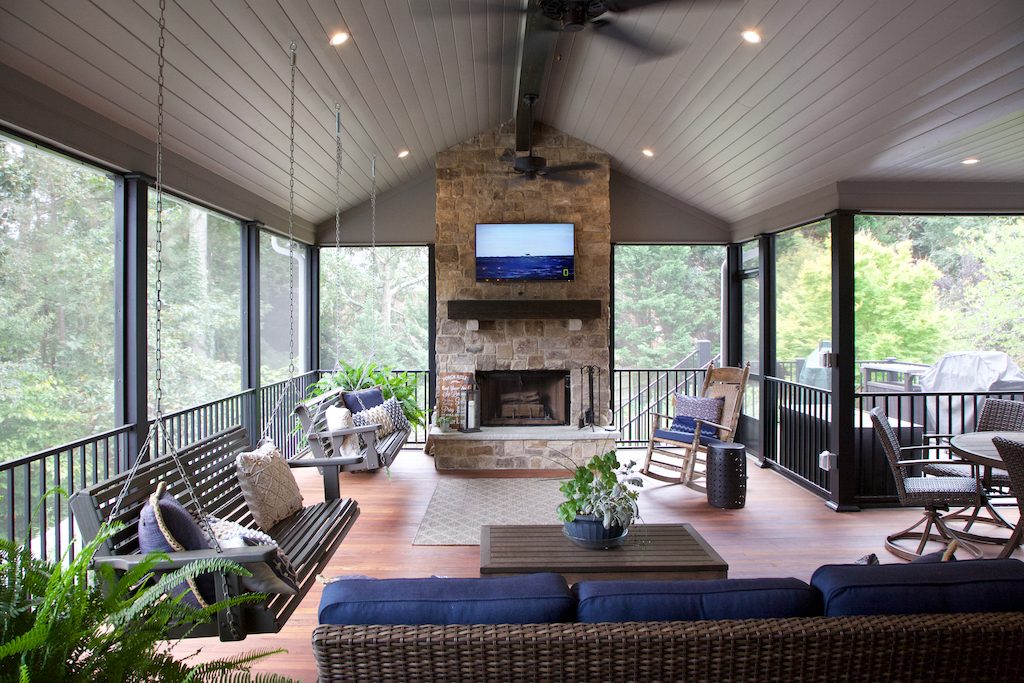
having comfort in every season. One of our specialties is building customized
outdoor areas, like covered patios, screened porches, and Georgia rooms (sunrooms
for 3-4 seasons). Look at some of our projects below and learn more about which
type of space is ideal for you!
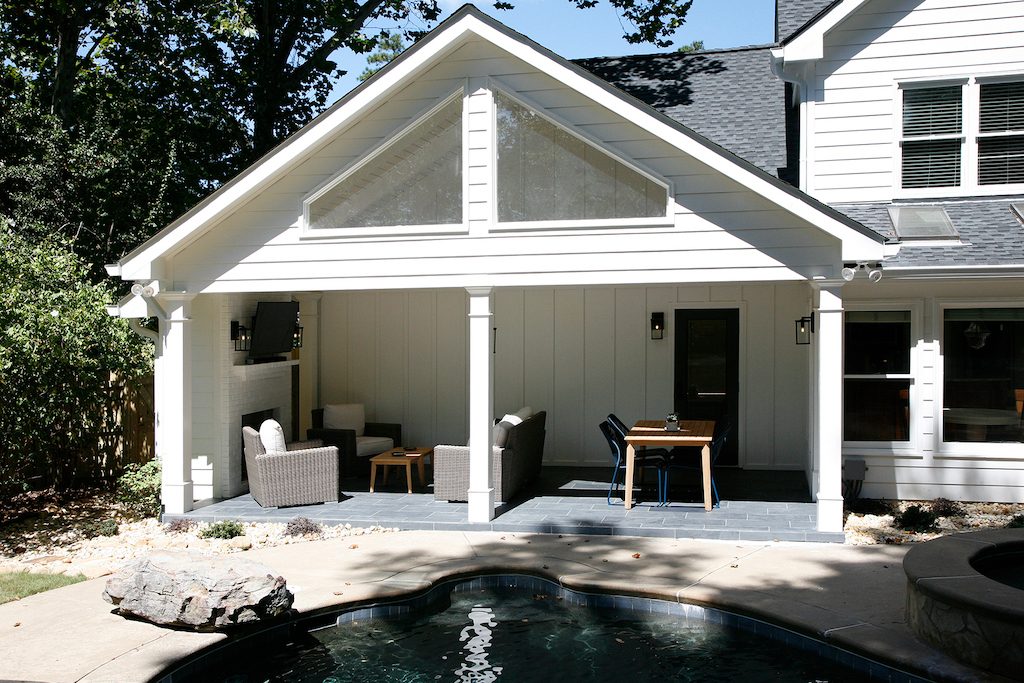
Covered patio transformation by ADB
Covered Patios: Blurring the Line Between Indoors and Out
This open concept outdoor living room is covered to protect
your furnishings and television from the elements, but open on the sides to
feel almost fully outdoors. With well-made outdoor furnishings, beautiful slate
tile flooring, and a mounted television, this room blurs the line between the
indoors and outdoors. Enjoy family meals at the teak table and lounging by the
pool in summer.
A convenient door leads into the home with close access to a
pool bath, and also the kitchen for ease in carrying meals outside. This patio
is a great retreat for overhead shade, while at the same time lovely gable
windows bring in extra sunshine.
Atlanta Design & Build (ADB) is one of a handful of companies nationwide to have achieved certification as a NARI Accredited Remodeling Company (ARC), and the first ARC in the state of Georgia!
The National Association of the Remodeling Industry (NARI) is the only professional organization for remodelers in the nation with a system of accreditation for top businesses. With its heartbeat and primary purpose being to “raise the bar” for what homeowners can expect from a remodeling contractor, NARI has provided opportunities for networking, mentoring, training and development for individual members and their employees since its inception. As the first of its kind, the NARI ARC program was created to support both consumers and remodelers by providing a company designation in addition to individual credentials.
Consumers desperately need a professional remodeling
contractor they can trust to update their homes. NARI remodelers need a program
that supports remodeling companies in the continuous improvement of their
business, following best practices, and elevating the level of professionalism
in organizations throughout the nation. In order to be considered for this
recognition NARI accredited companies must demonstrate how they meet a set of
higher industry standards determined by a third-party, the NARI Accreditation
Board; for example, ARC companies must demonstrate:
We are pleased to introduce ADB Project Manager, Greg Medinger. Originally from Iowa, Greg grew up on a farm. He was drawn to the construction industry in high school where he took several wood and metal shop classes. In addition to working on his building skills, he enjoyed sports, running track and cross country all four years of high school and playing football during his senior year. After high school, he attended a technical college in Iowa where he studied Business Management.
In 1985, Greg moved to Duluth, Georgia where he began in the construction industry with a company that hired him to do framing work. He later decided to establish his own framing company. Unfortunately, his business launch coincided with the construction industry recession, and his company went out of business. Greg returned to framing, working for a builder who specialized in building decks. Greg contracted with his new boss to become his Superintendent for four years. He was in charge of getting subcontractors to their job sites and supervising them throughout the project.
Greg decided to search for a better job in February 2018. When a recruiter called him about a position with Atlanta Design & Build; he was ecstatic. He interviewed with Dale Contant and Jamie Franks and was delighted to receive “the call” hiring him to work with us. Greg had already moved to Marietta a year and a half prior to getting hired. He now enjoys a perk coveted by many—a work commute of only a few miles.
When you undertake a full bathroom remodel, it’s the perfect time to choose whatever type of tub you want for the foreseeable future. After all, a bathtub is usually an investment, and the sheer size of this fixture alone accounts for it not being replaced frequently. Having a separate shower and tub is currently the most popular bathroom layout. A tub dedicated solely for baths feels luxurious! No more cleaning grime and soap scum from the shower before relaxing in your tub.
Some details to consider before choosing what type of tub you want include knowing your hot water heater’s capacity, finding the location of the plumbing and drains, and considering how much weight your bathroom floor can withstand. If these tasks sound overwhelming, it may be time for you to call a professional remodeler!
Installation Styles
Personal preferences and the amount of space in your bathroom determine which of these tub installation styles would be best for your remodeling project:
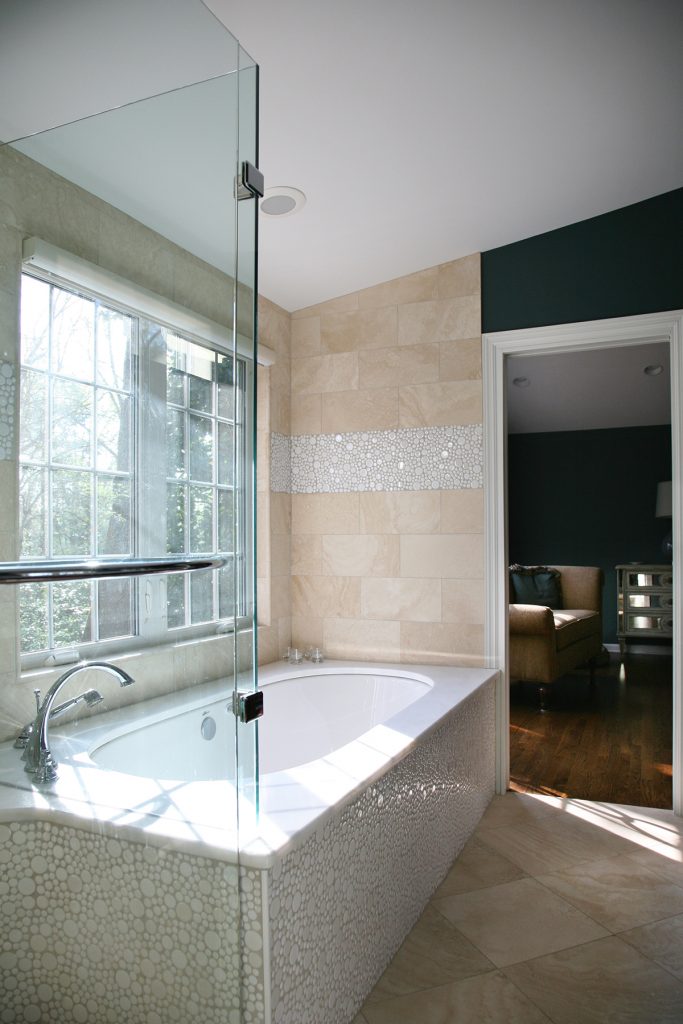
Drop-in: Drop-in tubs are one piece that is “dropped” into place within a surround or deck (a separate expense to account for in your selection process). Another version of this tub is the undermount or sunken tub, which is installed at floor level with a hidden lip.
Alcove: These tubs are usually surrounded by 3 walls and often combined with wall-mounted showers, which may be the best option for a smaller space.
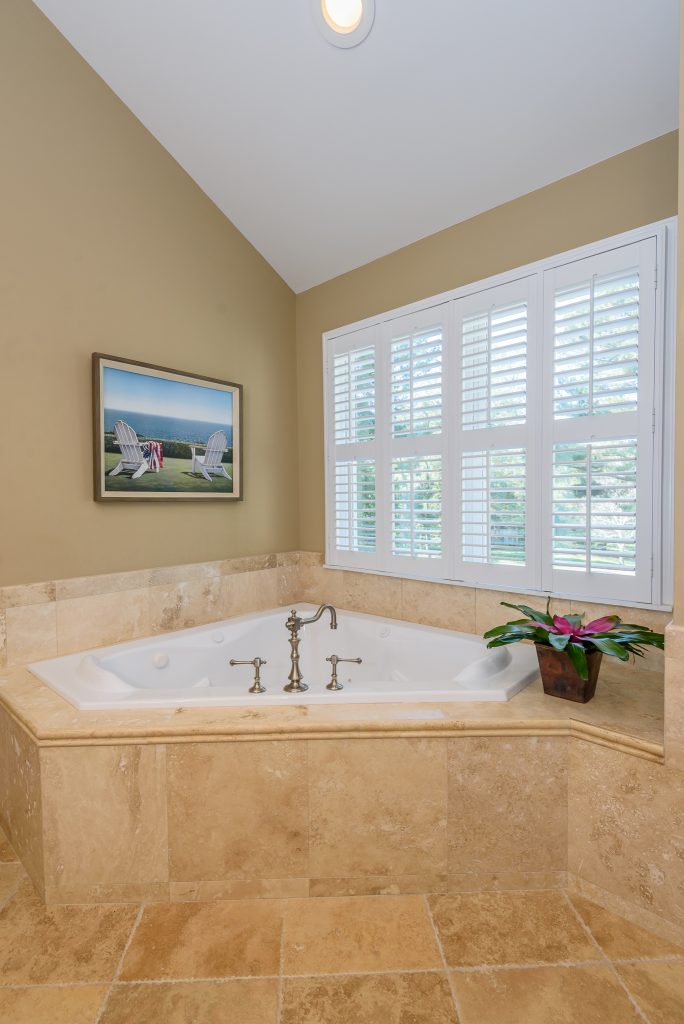
Corner tubs: As the name implies, these tubs nestle in your bathroom’s corner to preserve space. The open side can be rounded, with angles or flat. Great for soaking tubs and 1 or 2 bathers.
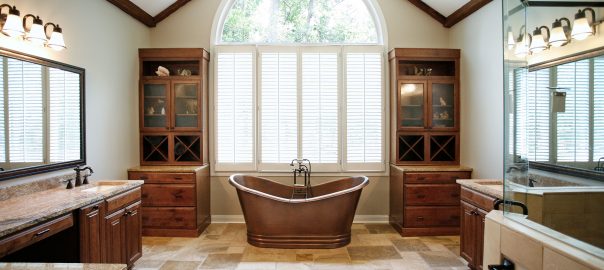
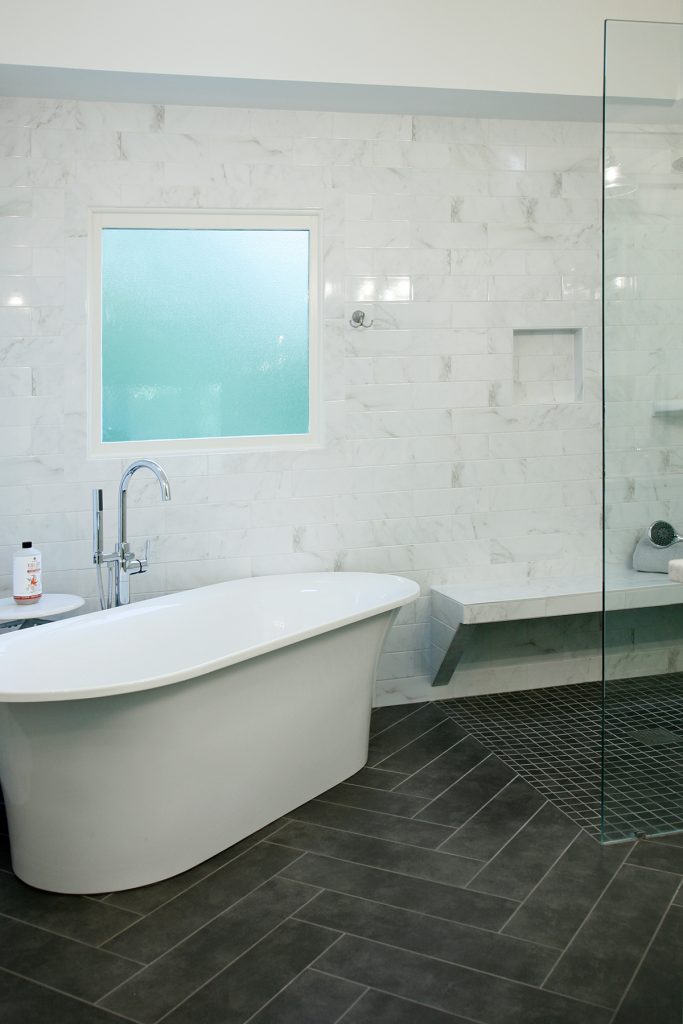
Freestanding soaking tubs and clawfoot tubs: Depending on your preferences, these types of tubs are generally coveted. Soaking tubs are deeper because they’re designed for sitting and soaking. Faucets or tub-fillers may be separate and mounted into the floor. Without the need for walls nearby, freestanding tubs can make excellent centerpieces in a new bathroom, especially when they are beautifully made.
Material Selection
There are various materials you can choose when selecting your tub. Fiberglass, acrylic, and porcelain are budget-friendly, but enameled cast iron or steel tubs are almost indestructible, albeit incredibly heavy. There are newer materials available, such as stone composites, but some of the most gorgeous and unique tubs are made of copper, wood, or stone! The latter three options can be more expensive, but they are absolute works of art. A copper tub is breathtaking and low maintenance and copper is also intrinsically antibacterial. A copper tub will withstand the test of time unlike wood, which requires frequent sealing and degrades over time.
ADB’s Role: A Credible, Reliable and Trustworthy Partner
While remodeling your bathroom, Atlanta Design & Build can accommodate whichever style of tub best suits you! We recently received an Accredited Remodeling Company designation from the National Association of the Remodeling Industry. We are one of a handful of companies nationwide and the FIRST in the state of GA to have achieved this great recognition. NARI’s ARC accreditation signifies a standard of quality homeowners can trust to professionally handle your remodeling project needs.
Enjoy these photos of some particularly gorgeous tubs we have installed. If you are ready to start your project, give us a call today!
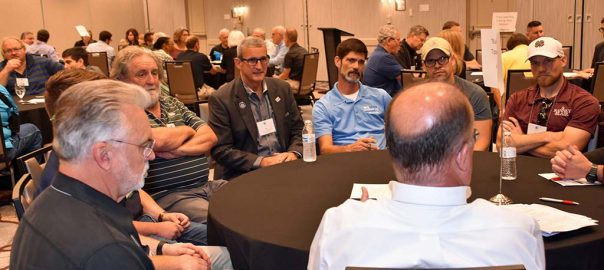
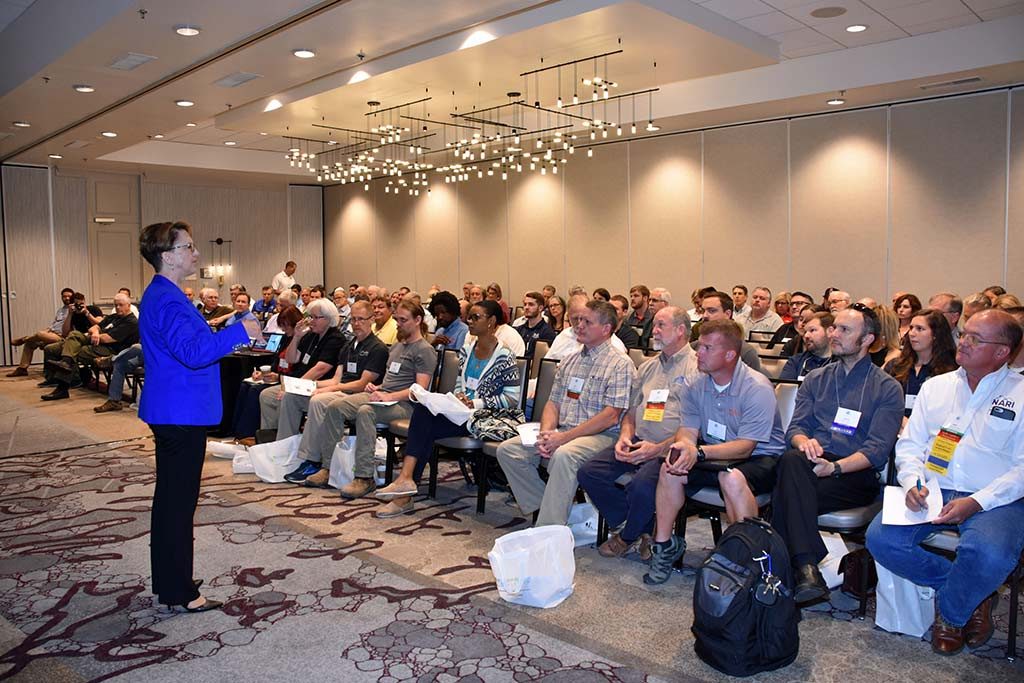
At Atlanta Design & Build we pride ourselves not only on our commitment to enriching our clients’ lives, but also enriching the lives of our team of employees. In order to provide our clients with life-changing services, we employ construction industry professionals who are always striving to learn more about their craft. This is one reason we appreciate The Cutting Edge: Remodeling Education Expo hosted annually by the Atlanta chapter of the National Association of the Remodeling Industry (NARI).
At The Cutting Edge, our team members earn six hours of continuing education credits towards meeting the requirements for earning or renewal of their NARI certifications. At this year’s expo in Atlanta, our team attended continuing education classes in vital topics such as, expediting job permits, enhanced customer care, and designing with the latest materials and techniques. Victoria Downing, President of Remodeler’s Advantage, delivered the keynote address.
An investment in our people is an investment in our clients and their future projects. We value the opportunity The Cutting Edge makes for our team to gain important knowledge in such a convenient way, all in one day, so they can quickly get back to renovating our clients’ projects into a reality beyond their dreams! Our team members have proudly earned the following NARI certifications: Master Certified Remodeler, Certified Kitchen and Bath Remodeler, Certified Remodeling Project Manager, Certified Lead Carpenter and Universal Design Certified Professional.
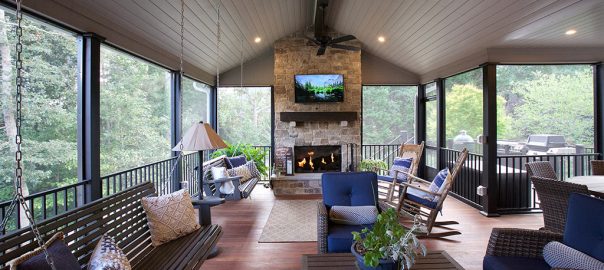
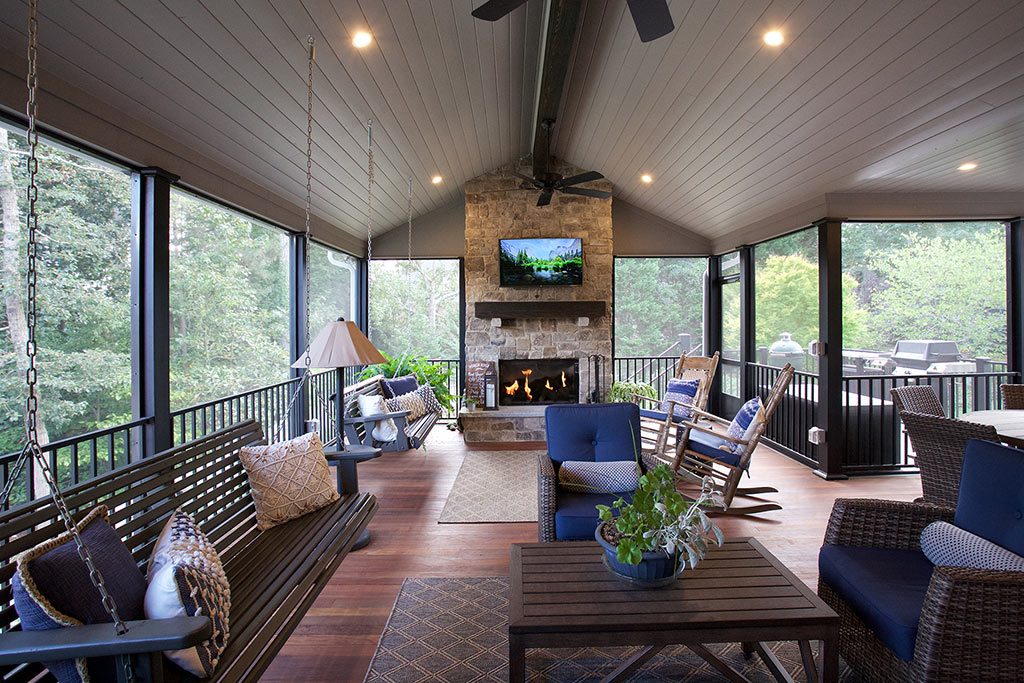
Thirty years ago, your grandparents’ porch would have originally been built on top of decks with general deck boards. This gave the porch an “added-on” look to the house, instead of what we now see as a wholly-formed, functional asset of the house. As the field has grown and materials have improved over the years, standards have changed in how homeowners view the concept of a porch’s presentation. What started out as plain deck boards morphed into plywood/carpet, which then transitioned into a tile setup that has now settled into tongue and groove (T&G) decking.
When porches were originally built with deck boards, they left gaps between the boards as they did not fully align. This resulted in an overabundance of bugs crawling up between the boards to investigate. The solution to this was stapling screens to the bottom of the deck and obstructing the easy access for insects. But what was thought to be a decent solution, actually resulted in an unhealthy, unattractive trap for all food, hair, and garbage that was dropped throughout everyday life. And with that brought to light, it was back to the drawing board for ideas.
Next up was installing plywood on the deck so that carpet could be placed over top. This allowed for a smooth and comfortable surface, perfect for bare feet. But soon the cons of using carpet began to outweigh the pros, as natural elements took their toll on it. The “shelf life” of carpet immersed in the outside world is much shorter than that of carpet used indoors. And because of that, carpeted porches began to see a decline. Allergens, such as pollen and dust, were trapped in its fibers, and rain (or water in general) sped up the degrading process of the plywood underneath.
Now, twenty years later, we find that T&G is the best option for a porch, specifically utilizing Brazilian hardwoods. This type of wood is more stable than your average American wood, as it will not buckle, warp, twist, or cup. T&G connects in such a way that removes the spaces found in the original plain deck-boards setup and stops the infiltration of bugs from below. It can get rained on without the fear of degrading materials, and with that beautiful, natural wood look Brazilian hardwoods can last from 50-100 years with little maintenance required.
As the past thirty years have come and gone, they have shown us the evolution of the screened-in porch. From its visual representation as a household “add-on” to a functional homeowner’s necessity, down to the technical advances of how materials have been designed to build an affordable yet well-designed space. If the past thirty years have taught us anything, it is that there is always potential for a bigger and better result of creativity, and that this is only the beginning.